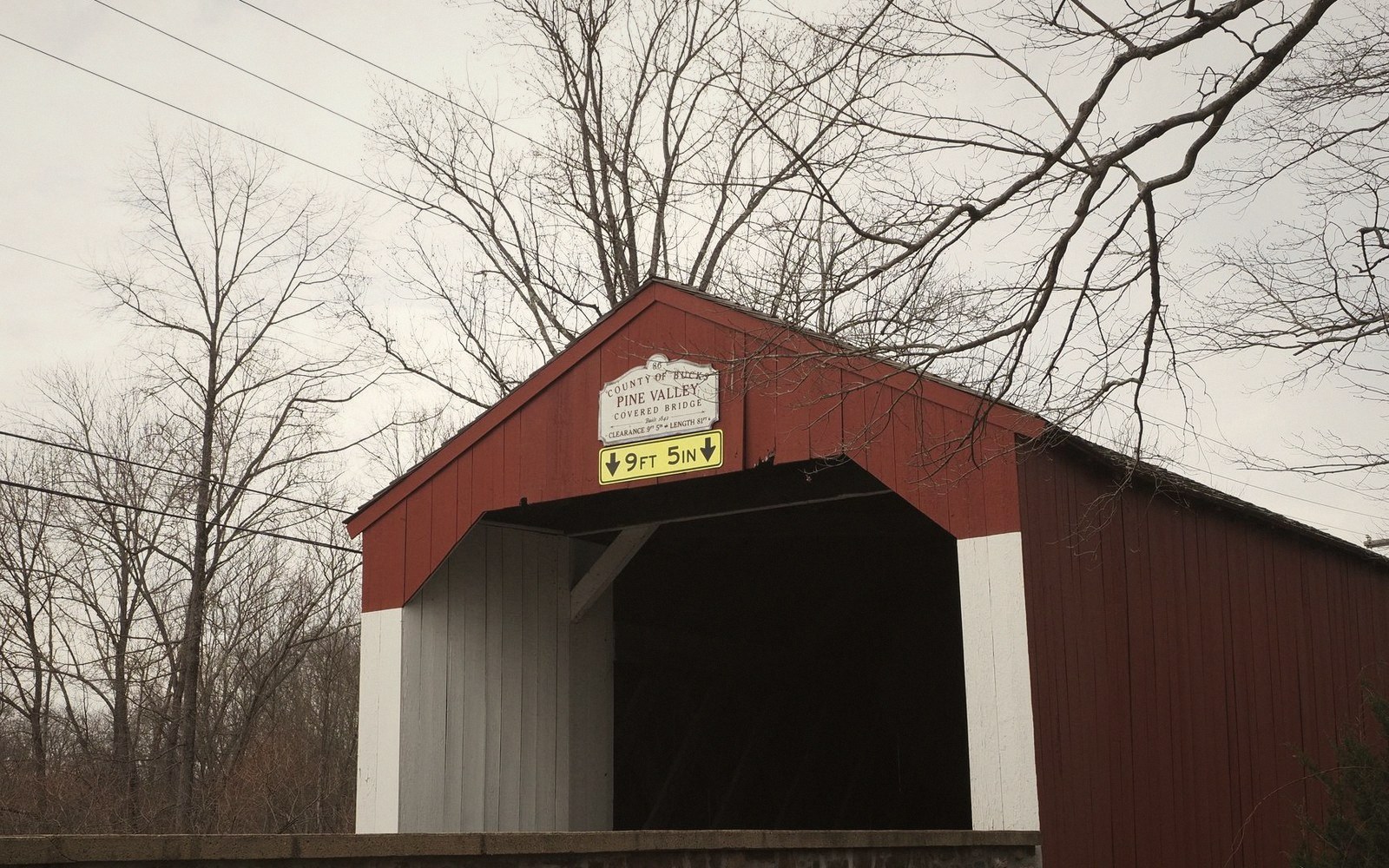
The County That Kept Going
Why Here, and Why Still
Why this concentration exists here: geology, creeks, county policy and a deliberate decision not to stop.
One place has more covered bridges than almost anywhere in the United States — and not entirely by accident.
Geology set the stage. The glaciated terrain of Ashtabula County in northeastern Ohio produced dozens of creek crossings, none of them especially wide, all of them demanding spans. Creeks cut through soft valley floors; roads had to cross them repeatedly. In the nineteenth century, timber was the answer almost everywhere in rural America, but the county's particular density of crossings meant the answer had to be given again and again.
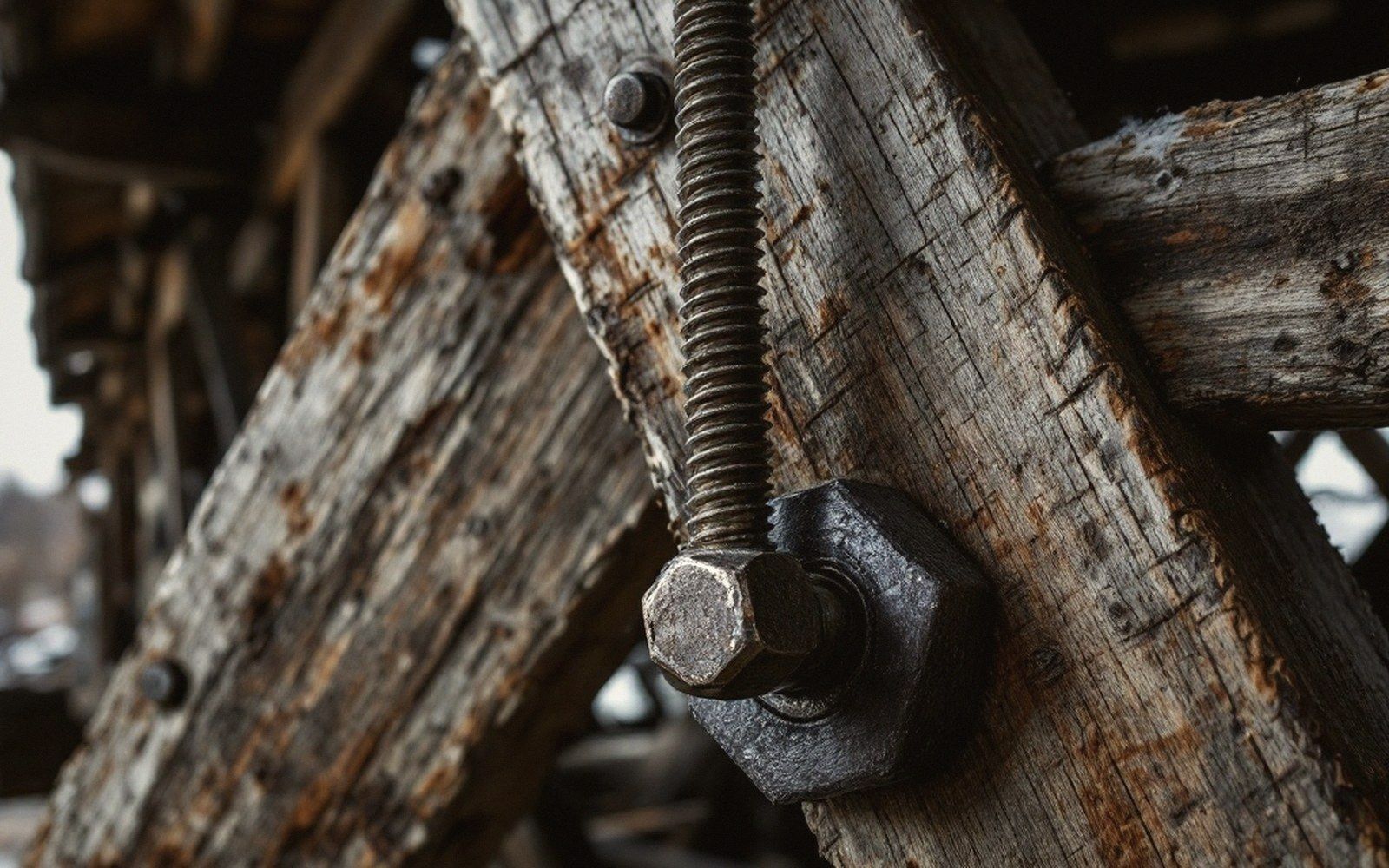
The truss form that took hold here was not exotic. Builders worked with what they knew — the Howe, the Smith, the Town lattice — adapted to spans that rarely exceeded a hundred and fifty feet. Abundant local timber kept the economics straightforward. A covered bridge was simply the sensible bridge.
What made Ashtabula different from counties that once had comparable inventories is what happened next. Elsewhere, the twentieth century's concrete culverts and steel girders replaced wooden spans one by one until nothing was left. In Ashtabula, replacement happened too — but so did preservation, and eventually, new construction. The county made a deliberate choice to treat its surviving bridges as infrastructure worth maintaining rather than relics waiting to be superseded.
Elsewhere, the twentieth century's concrete culverts and steel girders replaced wooden spans one by one until nothing was left.
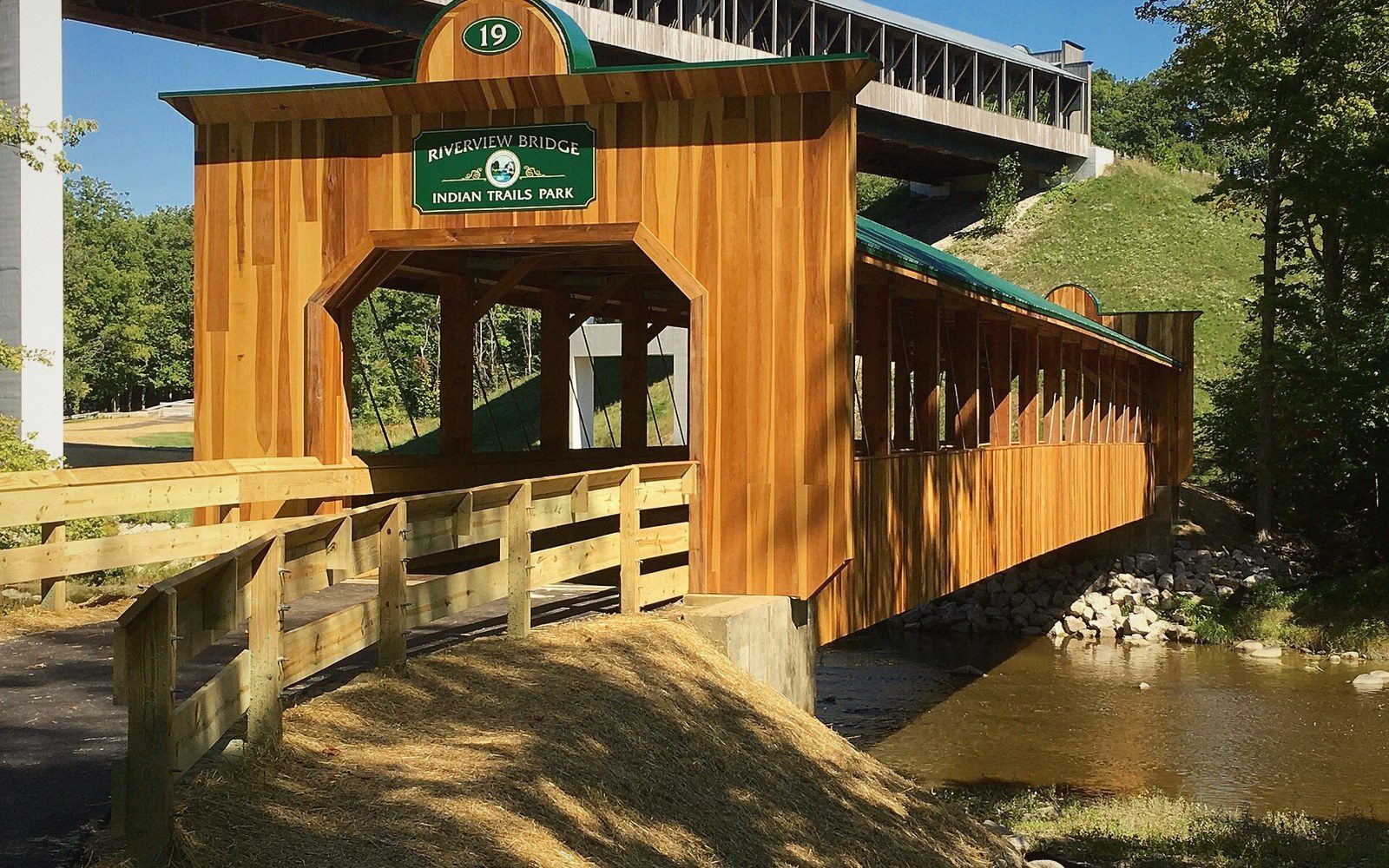
That policy produced something unusual: a county that never quite stopped building them. When the Smolen–Gulf Bridge opened in 2008, spanning the Ashtabula River at a length that made it the longest covered span in the country, it was not a nostalgic gesture. It was county engineering, with glue-laminated timber and modern load calculations, making the same fundamental argument the nineteenth-century builders made — that a roof over a timber structure extends its useful life by decades.
The current count sits near nineteen publicly accessible covered bridges, depending on how recent construction and restoration work is tallied. That number is not static. The county replaces damaged members, rebuilds portals after impact damage, and has commissioned new spans within living memory. It is, in that sense, a working tradition rather than a frozen inventory.
No single factor explains the concentration. The creeks required crossings; the crossings were built in timber; the timber survived where it was kept dry; and county government, over generations, decided that keeping it dry was worth the cost. Geology provided the problem. Policy provided the persistence. The result is one of the densest collections of covered bridges in the United States — and one of the few places where covered-bridge construction is a thing that is still being done, not merely remembered.
Dry Timber is an independent publication about covered-bridge engineering. It is not a visitors bureau, tourism body, or preservation society.
More in Building
Raising a span, then and now.