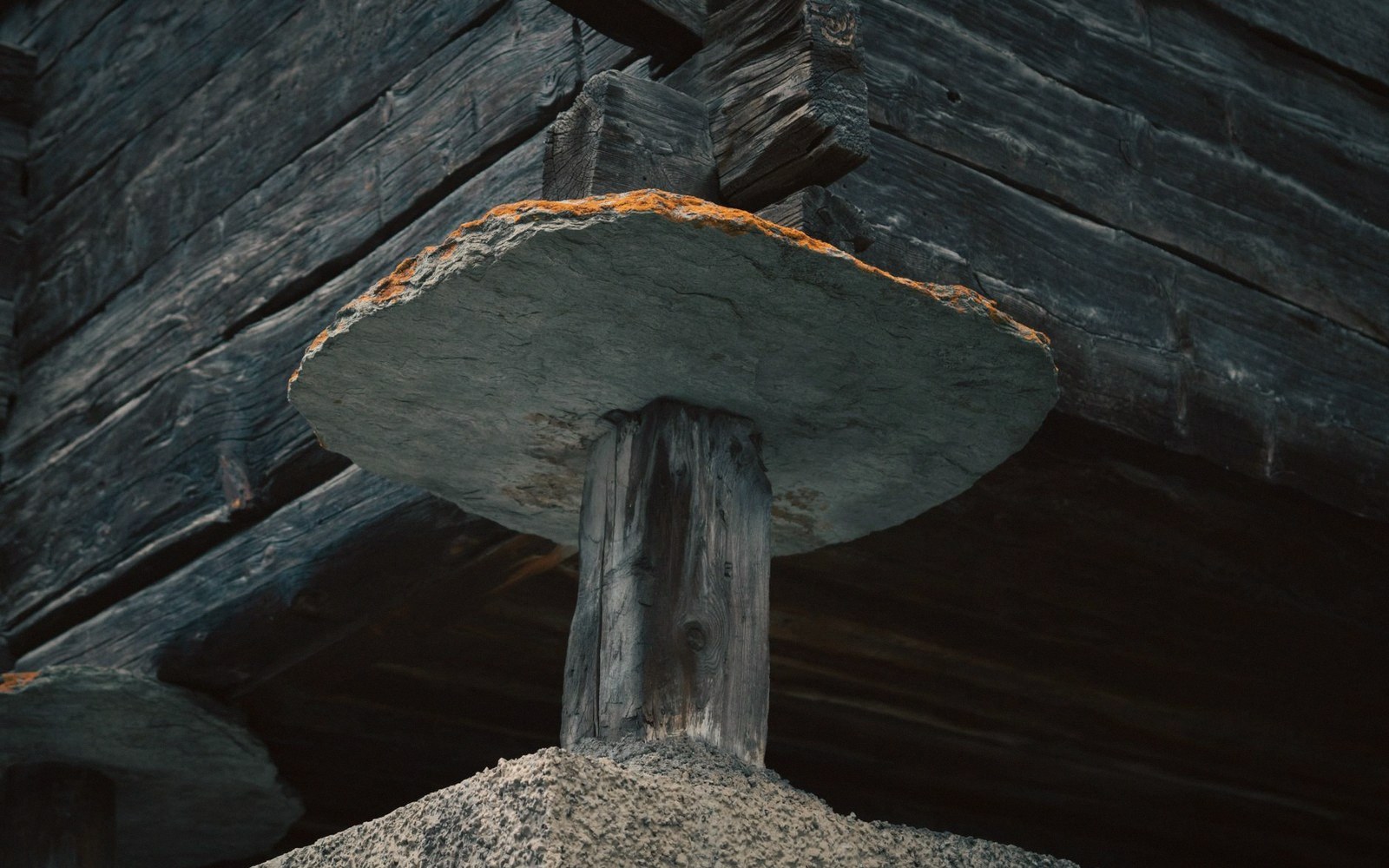
Treenails and Iron Rods
The Pin That Grips by Getting Wet
Wooden pins that swell to grip, and the iron that later took the tension. Two eras of fastening in one structure.
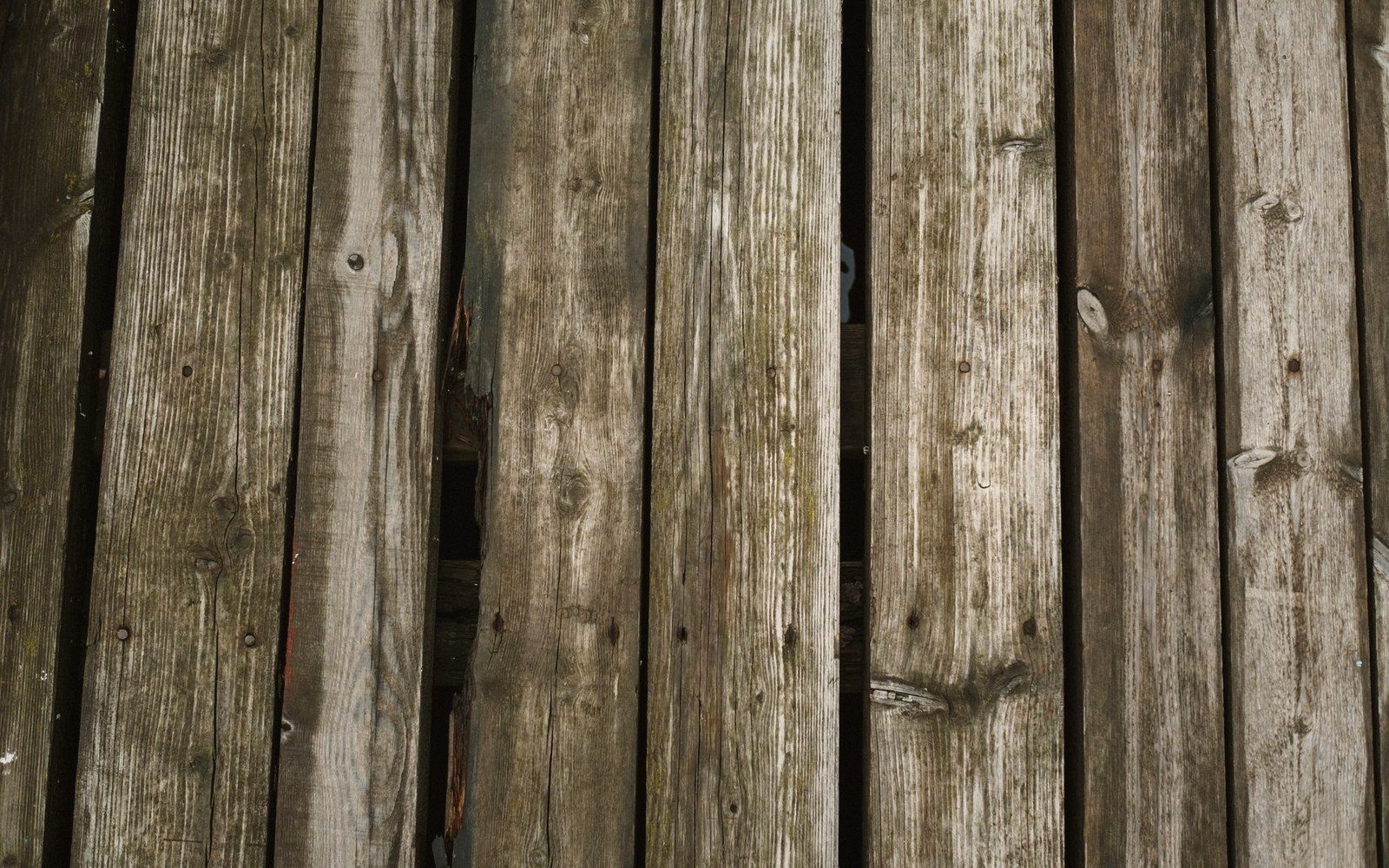
A treenail — pronounced "trunnel" — is a wooden peg driven through overlapping timbers to lock them together. In a Town lattice the entire structure depends on them: diagonal planks cross and recross, and at every intersection a treenail pins the layers. No metal required. The system is elegant partly because wood and wood move together with humidity changes; a treenail swells when the surrounding timber swells, and the grip tightens rather than loosens.
Trunnels were typically riven from dry, straight-grained hardwood — oak and locust were common choices — then driven into a bored hole slightly smaller in diameter. In some bridges the protruding ends were split and wedged. In others the fit alone was considered sufficient. Either way the connection relied on the mechanical intimacy of wood against wood rather than on any clamping force from a fastener head.
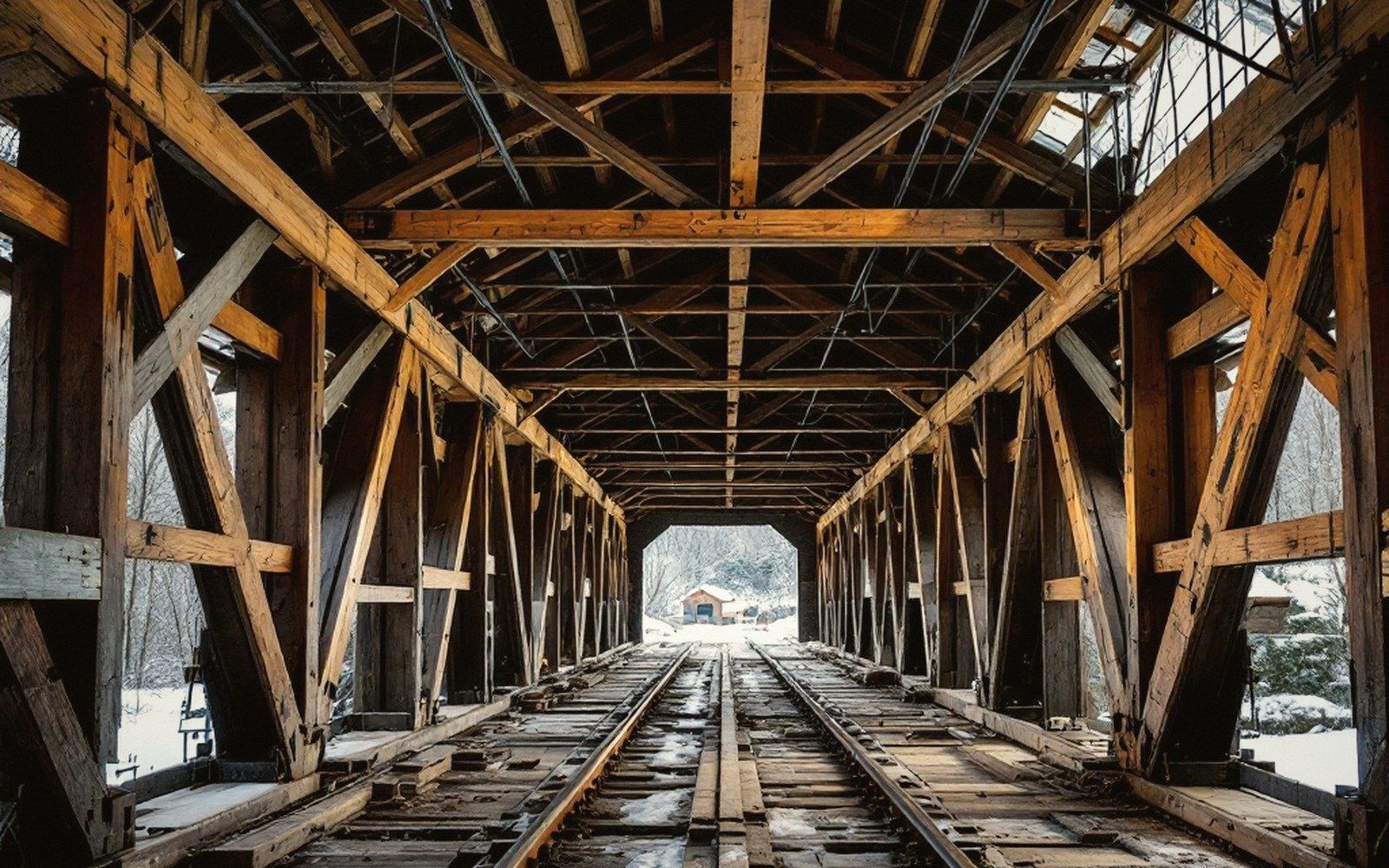
Not every joint in a covered bridge was a wooden one. Howe truss construction, which spread quickly after its patent in 1840, was built around the opposite principle: vertical members in the Howe frame are iron rods threaded at both ends and tightened with nuts. The diagonals carry compression in timber; the verticals carry tension in iron, the one thing wood handles poorly in a slender member.
The rods could be re-tightened. Timber settles and creeps over years, and what a builder could do on a Howe bridge was walk its length with a wrench, taking up any slack. That adjustability was a practical advantage that wooden connections could not offer, and it made the Howe type attractive to builders who wanted a structure they could maintain by hand.
Either way the connection relied on the mechanical intimacy of wood against wood rather than on any clamping force from a fastener head.
In older bridges you will often find both fastener types present — trunnels at the lattice joints or chord splices, iron rods or drift pins where a later repair, or a different truss type in the same span, demanded metal. Two eras of fastening in one structure, each doing the work the other cannot.
Dry Timber is an independent publication about covered-bridge engineering. It is not a visitors bureau, tourism body or preservation society.
More in Load
Where the force goes, and what fails first.