Bypassed, and Therefore Saved
The accident that works better than policy
Most survivors were spared by a new road alongside. Redundancy as a preservation strategy nobody planned.
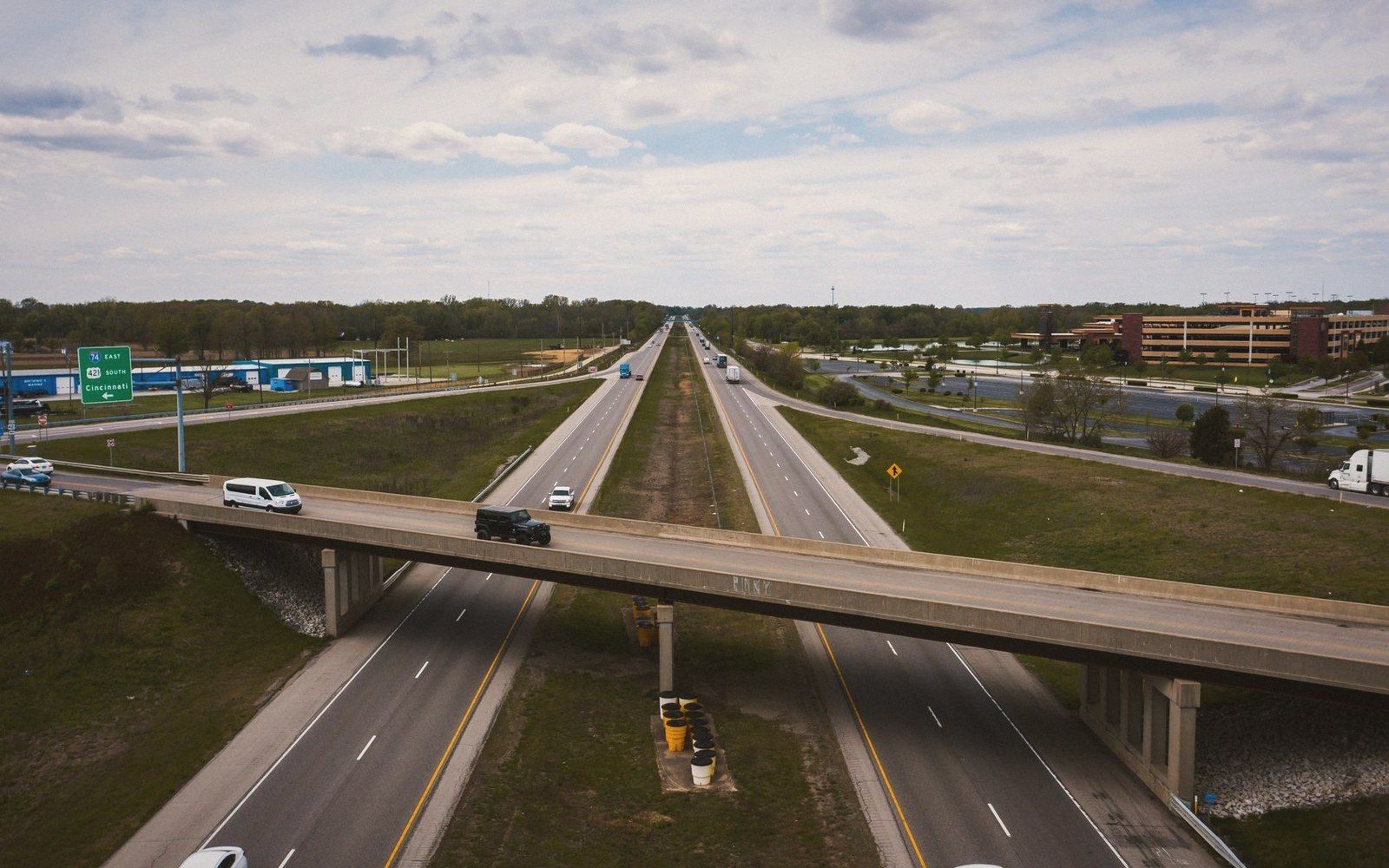
When a county built a new road, it rarely knocked the old bridge down. It just stopped sending traffic over it. The covered bridge sat there, now serving a farm lane or nothing at all, while the concrete span a hundred yards downstream carried the modern load. Nobody planned this as preservation. It worked anyway.
The logic is blunt. A bridge under full traffic load is a bridge that flexes, vibrates, and admits the dirt and moisture that farm wagons and truck tires carry in. Remove the traffic and you remove most of the mechanical wear, and you reduce the number of times someone drives across in a leak-finding rainstorm and walks away without telling anyone. A redundant bridge, counterintuitively, often receives its first real maintenance attention — someone notices it is worth saving precisely because it is no longer needed.

Ashtabula County, Ohio, with its exceptional concentration of surviving spans, shows this pattern clearly. Many of its bridges were quietly sidelined by road realignments over the course of the twentieth century before anyone was using the word "heritage." The bypassed ones that stayed structurally sound long enough to be noticed became the nucleus of deliberate preservation. The ones that kept carrying traffic tended to fail faster, or were simply replaced when they did.
A roof and siding are what keep timber alive, but they only do their job if the structure underneath is still worth enclosing. A bypassed bridge that no longer deflects under load is a bridge where the joints stay tighter, the connections stay drier, and the inspector finds less section loss at the bearing points when she finally climbs in with a probe. The redundancy that looked like neglect was, in structural terms, rest.
The ones that kept carrying traffic tended to fail faster, or were simply replaced when they did.
The irony runs one step further. Several bridges that were kept in active service, upgraded with steel reinforcement or widened to meet traffic demands, are gone. The untouched, forgotten, slightly inconvenient one survives. It was never worth the cost to improve it, and it was never worth the cost to demolish it, and so it is still there — which is the closest thing to a preservation strategy that most of these bridges ever had.
Dry Timber is an independent publication about covered-bridge engineering. It is not a visitors bureau, tourism body, or preservation society.
More in Keeping Them
Repair, replacement and what counts as the same bridge.